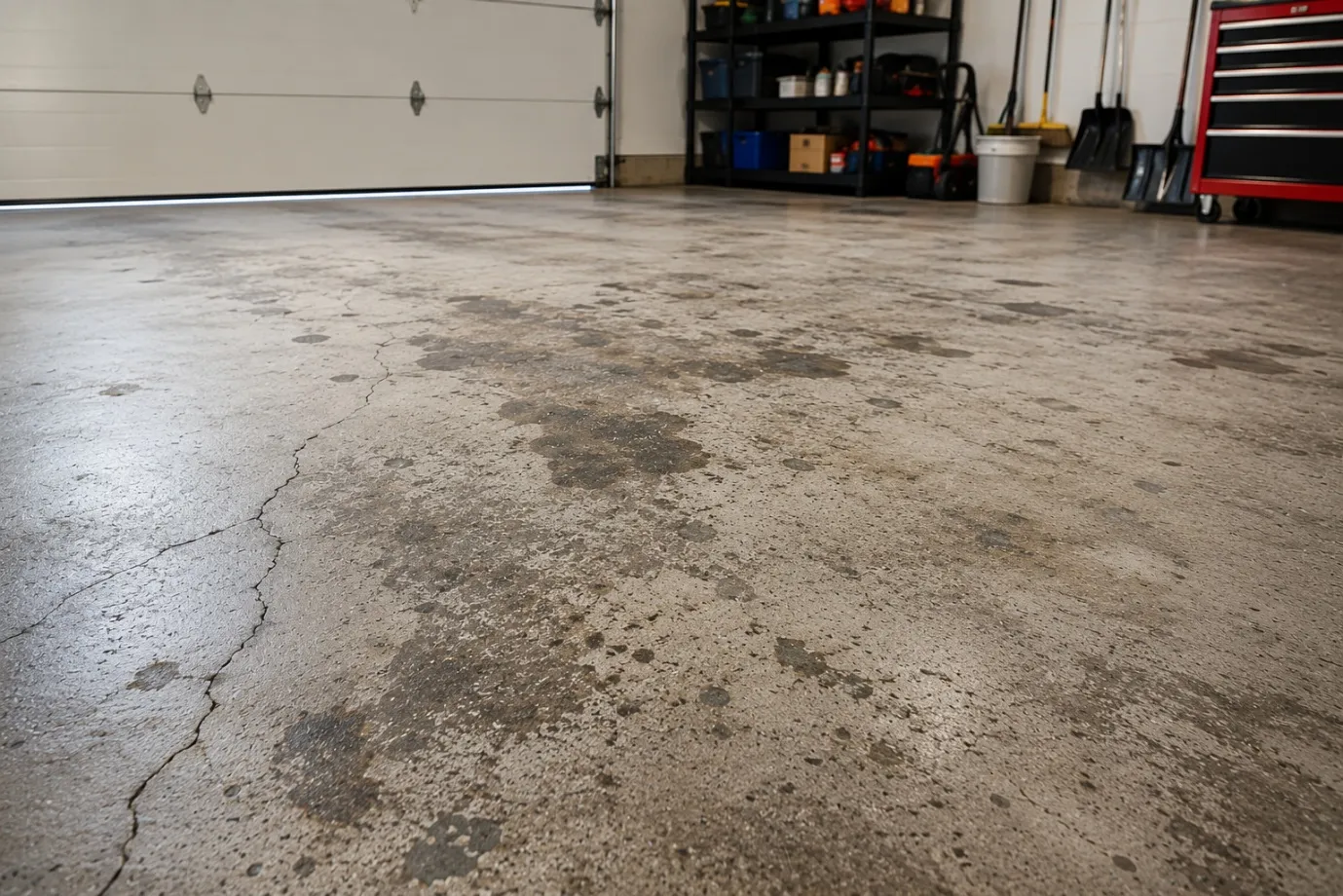
A garage floor faces a difficult working life. Cars bring in rainwater, grit and road debris, while storage units, tools and occasional spills place additional pressure on exposed concrete. In many British homes, the damage develops so gradually that it goes unnoticed until cracks, dust or staining become problems. Choosing an epoxy garage floor can be part of a longer-term protection plan, but understanding what causes deterioration matters just as much as selecting a suitable finish for the space.
Moisture Can Undermine Flooring Performance
Garages are often cooler than the rest of the house, and moisture can enter through doors, walls or the concrete slab itself. Water tracked indoors by tyres is not necessarily the same problem as moisture rising through a floor. Each source calls for a different response. Coating damp concrete without checking conditions can interfere with adhesion and contribute to bubbling or peeling. Homeowners should investigate repeated damp patches, allow appropriate drying and ask installers how moisture will be assessed before any protective system is applied.
Surface Dust Signals Gradual Wear
A fine grey powder appearing on stored boxes or freshly cleaned shelves may come from the concrete below. Unsealed concrete can produce dust as its surface wears under movement and everyday use. Sweeping removes loose material but does not address the underlying cause. Before sealing or coating the floor, the surface needs to be sound, clean and properly prepared. Weak patches may require additional attention. Tackling dust at its source makes the garage easier to maintain and helps protect belongings from persistent grime.
Small Cracks Deserve Early Investigation
Not every line in a garage slab means something serious has happened. Concrete naturally develops some cracking as it cures or responds to movement. However, widening cracks, uneven sections or persistent moisture deserve closer attention. Simply painting over a damaged area can hide the warning signs without resolving the problem. Suitable repairs depend on the cause, width and movement of the crack. Where structural concerns exist, homeowners should seek appropriate professional assessment before commissioning decorative work that might conceal further deterioration.
Tyres And Spills Create Challenges
Hot tyres, oil drips and household chemicals can expose weaknesses in an unsuitable or poorly applied finish. Some ordinary floor paints are more vulnerable to marking or lifting under these conditions than purpose-designed coating systems. Even a durable surface, however, is not immune to every substance or type of damage. Product suitability, curing time and routine cleaning remain important. Asking about chemical resistance and vehicle access helps homeowners compare options realistically instead of assuming that all glossy garage finishes offer identical protection.
Preparation Determines How Coatings Bond
A coating can look impressive immediately after installation yet fail prematurely if it cannot bond to the underlying slab. Dirt, previous paint, loose concrete and contaminants may prevent a reliable connection. Resin flooring contractors therefore consider the condition of the surface before choosing a preparation method. Diamond grinding can remove weak layers and create a suitable surface profile. Repairs and moisture checks may be necessary. The goal is not just a smooth appearance, but a stable foundation for the coating.
Curing Requires More Than Patience
Homeowners may be eager to return bikes, cabinets and vehicles to the garage as soon as the surface looks dry. Yet touch-dry and fully cured are not always the same thing. Different coating systems have different requirements for temperature, ventilation, light foot traffic and vehicle use. Placing heavy equipment onto an unfinished surface may leave marks or compromise its performance. Before installation, ask for clear guidance about each stage of access. Following those instructions helps protect the investment from avoidable damage during its earliest days.
Seasonal Care Protects Your Investment
British weather can make garage maintenance a year-round concern, particularly when wet tyres and muddy footwear are common. Removing grit regularly helps reduce abrasion, while prompt cleaning limits the time spills remain on the surface. Inspect door thresholds and drainage areas to see whether water is being directed into the garage. Mats can help at busy entrances, provided trapped moisture is not ignored. Seasonal checks are straightforward, but they make it easier to spot developing problems before a minor inconvenience becomes a repair project.
Conclusion
A garage floor rarely deteriorates because of one dramatic event. More often, small problems accumulate through moisture, wear, unsuitable products and delayed maintenance. Understanding those causes gives homeowners a better basis for deciding when repairs or protective finishes are worthwhile. For those considering professional installation in Southampton and the surrounding area, garageupgrade.co.uk provides information about available flooring systems and preparation services. The lasting benefit is not simply a cleaner-looking surface, but fewer recurring problems demanding attention whenever the garage is used.