Home Improvement

Laundry becomes complicated when a wardrobe contains everything from everyday cotton shirts to delicate sweaters and structured clothing. Treating every fabric the same way may seem convenient, but differences in fiber construction, detergent requirements, and drying methods can affect how long garments remain comfortable and presentable.

Understanding how to wash cashmere is particularly useful for anyone who owns delicate knitwear. However, caring for expensive garments is only one part of an effective laundry routine. Sorting clothes carefully, preparing a functional workspace, and choosing appropriate cleaning methods can make garment maintenance considerably easier.

Start With the Fabric, Not the Laundry Basket

The first decision should involve checking garment care labels rather than automatically selecting a washing machine setting. Clothing made from cotton, polyester, wool, silk, and linen responds differently to moisture, movement, and temperature. Even garments made from similar fibers may require different treatment because of their construction or finishing.

Separate items according to their care requirements before considering color and washing temperature. Delicate clothing may need handwashing or a gentle cycle, while heavily soiled workwear may require a more thorough cleaning process. This approach helps avoid unnecessary wear and prevents fragile garments from receiving treatments intended for durable fabrics.

Give Every Laundry Supply a Practical Place

An organized laundry area makes fabric care easier because everything needed for washing, treating stains, and drying is readily accessible. When detergent, stain removers, mesh bags, and drying equipment are scattered throughout the house, people often skip useful steps simply because the necessary supplies are inconvenient to find.

Learning how to organize laundry room storage can improve the entire process. Keep everyday products within easy reach, reserve separate containers for specialized detergents, and provide designated spaces for clothing awaiting treatment. Even a compact laundry closet can function efficiently when supplies are grouped according to their purpose.

Handle Stains Before They Become Difficult

Stain treatment works best when the cleaning method matches the substance involved. Grease, coffee, mud, and makeup do not respond equally to every household cleaner. Applying aggressive chemicals without checking fabric compatibility can create discoloration or damage that proves more difficult to resolve than the original stain.

Start by gently removing excess material without spreading the stain. Follow the garment’s care instructions and test unfamiliar products on a hidden area when appropriate. Avoid excessive scrubbing, particularly on knitted or delicate materials. Before machine drying, inspect the affected area because heat can make certain remaining stains harder to remove.

Understand Why Drying Methods Matter

Many clothing problems develop after washing rather than during the cleaning cycle. High temperatures, excessive tumbling, and incorrect hanging methods can cause shrinkage, stretching, or changes in fabric texture. A garment that emerges from the washer in good condition may still lose its intended shape during drying.

Air drying is often helpful for delicate clothing, although the correct method depends on fabric construction. Heavy knitwear generally benefits from being laid flat on a suitable surface, while some lightweight garments can be hung carefully. Always check care labels before using heated drying equipment or exposing clothing to prolonged direct sunlight.

Build a Routine That Prevents Unnecessary Washing

Not every garment needs laundering immediately after a brief period of use. Washing frequency should reflect fabric type, hygiene requirements, activity level, and visible soil. Overwashing can contribute to fading and wear, while postponing necessary cleaning can allow odors and stains to become more persistent.

Consider airing suitable outer garments between wears, brushing surface debris from appropriate fabrics, and storing clean clothing in well-ventilated spaces. Establishing separate routines for everyday basics, workout clothing, and specialty garments reduces guesswork. It also encourages more thoughtful use of water, detergent, and household energy.

Make Clothing Maintenance Manageable

A successful laundry system does not require expensive equipment or complicated rules. It depends on understanding fabrics, keeping cleaning supplies accessible, and applying consistent practices that protect clothing without making ordinary household tasks unnecessarily demanding.

Readers exploring practical garment-care strategies can find additional household guidance through edgabicated.com. The most useful improvement is often a simple routine that makes careful clothing maintenance a natural part of everyday life.

0 comments
0 FacebookTwitterPinterestEmail

Sharing a bathroom can become frustrating when two people need the same sink, mirror, or countertop at the same time. Morning routines often involve overlapping activities, making efficient bathroom design particularly important for couples and families.

Installing a double bathroom vanity can help create separate grooming areas while offering additional storage. However, simply adding another sink does not guarantee a more functional bathroom. The available space, cabinet configuration, and daily habits of the people using the room should guide the design.

Two Sinks Do Not Automatically Mean Better Functionality

A double-sink arrangement is often associated with large primary bathrooms. Although having two basins can reduce competition for sink access, the layout must provide enough room for both people to move comfortably.

If the sinks are positioned too closely together, users may still interfere with one another during morning routines. Countertop space around each basin also affects how easily grooming products can be used.

Cabinet width should therefore be evaluated alongside sink spacing. The goal is to create two genuinely usable areas rather than simply fitting two basins into the available furniture.

Understanding the Space Required

Before selecting a double-sink configuration, homeowners should measure the entire bathroom and identify areas where movement could become restricted.

Vanities measuring approximately 60 or 72 inches wide are common options for shared bathrooms, although specific models and sink arrangements vary. Larger configurations may offer greater separation and storage.

The room must also accommodate door movement, nearby fixtures, and comfortable access to drawers. A wide cabinet can create difficulties when placed near a shower enclosure or toilet.

Using floor measurements and a simple layout drawing helps determine whether the proposed cabinet improves the bathroom or makes circulation more difficult.

Storage Needs Become More Complicated in Shared Bathrooms

When two people use the same bathroom, storage can quickly become disorganized. Grooming products, medications, towels, and personal accessories may compete for limited cabinet space.

A well-designed vanity can provide separate storage areas, allowing each person to organize frequently used belongings independently.

Drawers are often convenient for small items, while larger cabinets can accommodate cleaning products or spare toiletries. Adjustable shelves may help accommodate containers of different heights.

The best arrangement depends on individual habits. Dividing storage logically can reduce clutter and prevent the countertop from becoming a permanent collection of everyday products.

The Countertop Needs Careful Planning

Two sinks occupy more surface area than one, potentially reducing the amount of uninterrupted countertop space available.

Homeowners should examine how much usable space remains between the basins and near the outside edges. This becomes especially important when both people regularly use grooming appliances or cosmetics.

Countertop materials also influence maintenance. Water splashes, toothpaste, soap residue, and cosmetic spills may occur more frequently when two people use the space simultaneously.

Selecting a surface with appropriate care requirements can help keep the bathroom manageable without demanding excessive cleaning.

Plumbing Considerations Can Affect the Budget

Installing two sinks requires suitable water supply and drainage connections. Whether existing plumbing can accommodate the arrangement depends on the bathroom’s layout and current installation.

Replacing an existing double-sink cabinet may be relatively straightforward when the new unit matches the connections. Converting a single-sink bathroom can involve more substantial plumbing work.

These modifications should be evaluated by a qualified professional before purchasing the vanity. Cabinet drawers and internal partitions may also influence how pipes can be routed.

Understanding these requirements early helps homeowners develop a realistic renovation budget and avoid unexpected installation delays.

Mirrors and Lighting Should Serve Both Users

A shared bathroom needs lighting that supports simultaneous grooming activities. One poorly positioned overhead fixture may produce uneven illumination or unwanted shadows.

Two separate mirrors can create clearly defined personal areas. Alternatively, a single wide mirror may establish a continuous appearance across the cabinet.

Both arrangements can work effectively when their proportions suit the vanity and the surrounding wall.

Lighting should provide adequate visibility at each sink rather than prioritizing symmetry alone. Appropriately positioned fixtures can improve everyday usability while complementing the room’s overall design.

Designing for Changing Household Needs

Bathroom requirements may change as families grow or daily schedules become more demanding. A shared bathroom that works for two adults today might eventually accommodate children or visiting relatives.

Flexible storage helps the room adapt without requiring immediate furniture replacement. Neutral finishes and practical cabinet layouts may also remain relevant as decorating preferences evolve.

Durable hardware, accessible drawers, and manageable countertop surfaces contribute to a bathroom that performs well under changing conditions.

Instead of designing around a temporary trend, homeowners can prioritize features that simplify routines over many years.

Conclusion

A successful shared bathroom depends on more than installing two sinks. Comfortable spacing, organized storage, appropriate plumbing, and balanced lighting all contribute to a practical design. Bathroom Vanities Outlet offers double-sink vanity configurations that homeowners can consider when planning a bathroom that supports multiple users without sacrificing comfort or visual appeal.

0 comments
0 FacebookTwitterPinterestEmail

Planning a villa renovation dubai homeowners can trust begins with understanding the approvals that govern structural work. Removing walls, adding extensions, or reinforcing foundations all require formal permission from several authorities before any contractor starts. Skipping this stage can lead to fines, stop-work orders, and costly reversals. This guide walks through the practical steps involved, from developer permissions and engineering documentation to municipal submissions and final inspections, so owners can approach every upgrade with clarity, realistic expectations, and a well-organized plan that protects both their investment and their family.

Why Permits Matter Before Construction Begins

Permits exist to protect residents, neighbors, and the building itself. Structural changes alter how loads travel through a home, and an unapproved modification can compromise safety in ways that remain invisible for years. Authorities therefore review every proposal for compliance with building codes, fire regulations, and community planning rules. Homeowners who treat approvals as an early priority avoid delays later, protect their property value, and keep insurance coverage valid. Understanding this purpose helps owners see the process as a safeguard rather than an obstacle, and encourages them to budget time and money accordingly.

Securing No-Objection Certificates From Developers

Most villas sit within master-planned communities, and the developer or owners’ association usually has the first say. A no-objection certificate confirms that your intended changes respect community design guidelines, plot coverage limits, setback distances, and facade standards. Applications normally require ownership documents, preliminary drawings, and a description of the works. Review times differ between communities, so submitting early is wise. Keeping written confirmation of every approval also helps during resale, because buyers and their advisors often request proof that previous extensions and alterations were properly authorized.

Preparing Structural Drawings and Engineering Reports

Authorities expect detailed documentation prepared by licensed professionals. This typically includes architectural plans, structural calculations, load assessments, and sometimes soil or existing-condition surveys. A qualified engineer evaluates whether current foundations and columns can support the proposed additions, then specifies any reinforcement required. Clear, accurate drawings reduce the number of comments received from reviewers and shorten the approval cycle. Homeowners should confirm that consultants are registered with the relevant authority, because submissions from unregistered firms are rejected outright, wasting valuable weeks and creating avoidable frustration for everyone involved.

Working Through Municipality and Civil Defense Requirements

After community approval, the application moves to the municipality for building permit review. Larger projects may also need fire and life safety clearance from civil defense, along with utility provider consent for electrical, water, and drainage changes. Each body checks different aspects, so responses can arrive separately and occasionally request revisions. Tracking each submission, responding promptly to comments, and paying fees on time keeps the file moving. Patience matters here, since overlapping reviews rarely finish together, and starting work before the permit is issued risks penalties.

Choosing Qualified Consultants and Contractors

The right team makes approvals dramatically smoother. Engineers, architects, and contractors who regularly handle local submissions understand reviewer expectations and common pitfalls. Many owners also compare interior design companies in dubai to find firms that coordinate design intent with regulatory requirements, so layouts, services, and finishes remain consistent with approved drawings. Ask for examples of completed projects, verify trade licenses, and request a clear scope of responsibility for permit applications. A coordinated team reduces miscommunication, prevents rework, and keeps the schedule predictable from first concept to handover.

Managing Timelines, Costs, and Final Inspections

Approval fees, consultant charges, and possible redesign costs should be included in the budget from day one. Timelines vary with project size, so build contingency into the schedule rather than assuming best-case outcomes. During construction, inspectors may visit to verify that work follows approved plans, and any deviation must be documented and cleared. Once complete, a final inspection leads to a completion certificate, which confirms the upgrade is lawful. Keep this certificate with your property records for future transactions, refinancing, and insurance claims or renewals.

Conclusion

Securing approvals for structural upgrades is a methodical process, but it becomes manageable when each stage is planned in sequence. Start with community consent, commission accurate engineering documents, respond quickly to authority feedback, and keep records of every certificate. Working with experienced professionals protects your investment, your household, and your long-term peace of mind. For design guidance that complements a compliant project, explore the resources available at panameraliving.com, where thoughtful planning and practical advice help homeowners move from early concept to a finished, fully approved result with confidence.

0 comments
0 FacebookTwitterPinterestEmail

Hardscape materials play a major role in how a villa garden looks, feels, and performs over time. In Dubai, outdoor surfaces must cope with strong sunlight, high temperatures, dust, water exposure, and frequent use, especially around swimming pools and entertainment areas.

Choosing materials only for appearance can lead to problems later. A better approach is to consider comfort, durability, maintenance, safety, and how each finish works with the rest of the landscape. Thoughtful material selection can make the entire outdoor space feel more consistent and practical.

Start With the Function of Each Area

Different parts of a garden have different requirements. A pool deck may need a surface with suitable grip, while a dining terrace may need something easy to clean and comfortable for regular foot traffic. Experienced landscaping companies in dubai can help homeowners match materials to the way each outdoor zone will be used. Pathways, seating areas, entrances, and garden borders do not necessarily need the same finish.

The aim should be to choose surfaces that suit each function while still creating a visually connected design across the property.

Consider Heat and Comfort Underfoot

Outdoor materials can respond differently to direct sunlight. Some surfaces may become uncomfortable underfoot during warmer parts of the day, especially where people walk barefoot near a swimming pool. Colour, texture, finish, and exposure should all be considered before making a final choice. Shaded areas may allow greater flexibility, while heavily exposed surfaces may require more careful selection.

Homeowners should also think about where people are likely to pause or spend time. A material that works well on a rarely used pathway may not be suitable for a poolside lounge or children’s activity area.

Keep Poolside Surfaces Practical

Pool surrounds need to handle water, cleaning, and regular movement. A polished appearance is not enough if the surface becomes difficult to use when wet. When reviewing swimming pool companies in dubai, homeowners can discuss pool coping, deck materials, drainage, and how the pool edge will connect with nearby terraces or pathways.

The most successful poolside areas often use a limited number of finishes. This helps the water remain the main visual feature while keeping the surrounding space cleaner and less visually busy.

Use a Consistent Material Palette

Using too many different materials can make a villa garden feel fragmented. Paving, wall finishes, steps, pool coping, and decorative surfaces should complement one another even if they are not identical. A limited palette can create a stronger sense of continuity between the villa and the garden. Similar tones or textures can be repeated across different zones to connect spaces naturally.

Consistency also makes future updates easier. If a damaged area needs repair or an additional pathway is added later, working within an established material scheme can help preserve the overall design.

Think About Maintenance Before Installation

Every outdoor surface requires some level of care. Dust, water marks, stains, and everyday wear can affect how materials look over time, particularly in high-use areas. Homeowners should consider how often a surface may need cleaning and whether maintenance will be practical. Highly detailed finishes may look attractive initially but could demand more attention than simpler options.

Accessibility matters as well. Areas around drains, irrigation points, and service routes should remain easy to reach so routine maintenance can be carried out without disturbing large sections of paving.

Balance Hardscape With Planting

Too much paving can make an outdoor space feel harsh, while too much planting may reduce useful living space. A balanced mix usually creates a more comfortable and attractive garden. Planting beds can soften terraces and pathways, while trees and shrubs can provide shade around seating areas. Ground-level greenery can also help break up large expanses of hard surface.

The proportions should reflect how the garden is used. A family that entertains often may need more paved space, while another household may prefer a greener setting with smaller seating areas.

Plan Drainage and Transitions Carefully

Changes between pool decking, pathways, lawns, and planted areas should be designed carefully. Uneven transitions can affect both appearance and everyday movement. Drainage is equally important because water should not collect unnecessarily around seating areas or frequently used routes. The levels of different surfaces need to work together from the beginning. Good planning can make these transitions feel almost invisible. When materials, levels, and edges are coordinated correctly, the entire outdoor area appears more polished and easier to use.

Conclusion

Choosing hardscape materials for a Dubai villa requires more than selecting attractive colours or finishes. Heat, water exposure, comfort, maintenance, drainage, and everyday use should all influence the decision. By matching materials to each outdoor zone and maintaining a consistent palette, homeowners can create a garden that feels connected, practical, and refined. A balanced combination of hardscape and planting can also improve comfort while helping the outdoor space remain manageable over time.

0 comments
0 FacebookTwitterPinterestEmail

Musculoskeletal discomfort can affect work, exercise, sleep and ordinary household activities. When someone explores Chiropractic services, it can be helpful to approach the appointment as one part of a broader conversation about symptoms, movement and everyday habits rather than expecting a single standard solution.

Individual assessment matters because similar symptoms can have different causes. Health history, previous injuries, work demands and current activity levels may all provide useful context. Being prepared to discuss these details can make the consultation more productive.

Track What You Are Experiencing

Before seeking care, pay attention to when symptoms occur and what seems to influence them. You might notice that discomfort changes after sitting, exercise, lifting or certain repetitive tasks.

Brief notes can be useful, especially when symptoms vary from day to day. Avoid trying to diagnose the issue yourself; the purpose is simply to provide a clearer description during the assessment.

Consider Your Daily Routine

Work and lifestyle can involve repeated positions or movements. Long periods at a desk, physical work, driving or frequent lifting may all be relevant to a musculoskeletal discussion.

Explain what a typical day looks like rather than focusing only on the moments when symptoms are strongest. This gives the healthcare professional a broader understanding of the demands placed on your body.

Prepare Questions Before the Appointment

It is easy to forget questions once an assessment begins. Writing down a few points beforehand can help ensure that important concerns are discussed.

You might ask what the practitioner thinks should be evaluated, what the proposed care involves and how progress would be measured. You can also ask when another healthcare professional should become involved.

Understand the Practitioner’s Role

When choosing a Chiropractor, consider professional qualifications, communication and the approach taken to assessment. You should feel able to ask why a particular technique or care plan is being proposed.

No practitioner should discourage appropriate medical evaluation when it is needed. Musculoskeletal care should operate within professional scope, with referral when symptoms require assessment elsewhere.

Discuss Exercise and Movement

Some people reduce nearly all activity when they experience discomfort because they are worried about making the problem worse. Others continue intense exercise despite symptoms that should be assessed.

The appropriate balance depends on the individual situation. Ask whether activities should be modified and whether any specific movement guidance is appropriate based on the assessment.

Avoid Relying on Online Diagnoses

Searching symptoms online can provide general information, but it can also produce long lists of possible conditions ranging from minor to serious. Without an examination, it may be difficult to know what information is relevant.

Use reputable health information to prepare questions rather than reaching a firm conclusion about the cause. Persistent, severe or concerning symptoms deserve appropriate professional evaluation.

Pay Attention to Warning Signs

Some symptoms should not wait for a routine appointment. Significant trauma, rapidly worsening weakness, new neurological symptoms, chest pain or other potentially serious changes may require prompt medical attention.

If you are unsure about the urgency of a symptom, contact an appropriate healthcare service. Seeking timely medical advice is more important than trying to fit every concern into one type of care.

Review Whether the Plan Is Helping

If you attend multiple appointments, periodically discuss what has changed. Consider not only discomfort but also whether daily activities, movement or sleep are improving or becoming more difficult.

Progress should not be assumed simply because time has passed. If there is little change or symptoms worsen, ask whether the plan should be adjusted or whether further evaluation is needed.

Keep Communication Open

Tell the practitioner about concerns, preferences and previous experiences with care. If you do not understand a recommendation, ask for a clearer explanation.

You should have enough information to participate in decisions. Informed involvement can make healthcare feel less like something being done to you and more like a process in which you have an active role.

Conclusion

Managing musculoskeletal concerns begins with paying attention to symptoms and understanding how they interact with everyday activities. Clear descriptions, relevant health information and thoughtful questions can make professional assessments more useful.

It is equally important to recognize when symptoms require additional or urgent medical evaluation. By staying involved in decisions and reviewing progress over time, individuals can take a more informed and practical approach to their musculoskeletal health.

0 comments
0 FacebookTwitterPinterestEmail

Story Pin image

Commercial concrete floors often carry decades of hidden history. Old coatings may have been removed, cracks repaired multiple times, machinery relocated, chemicals spilled, and previous patches installed with different materials. By the time a facility plans another flooring upgrade, the slab may contain clues that are not visible during a quick inspection. Understanding this history can help facility managers avoid repeating earlier failures and choose a resinous flooring system based on actual substrate conditions rather than assumptions.

Previous Coatings Reveal Useful Information

An older coating can show where the floor has experienced the greatest stress. Worn forklift lanes, peeling sections, chemical stains, and repeated patches often correspond with specific operating conditions. Instead of viewing the existing surface only as material that needs removal, managers can use it as evidence. Areas that failed earlier may point to moisture, contamination, heavy traffic, poor preparation, or incompatible materials.

Photographs and maintenance records can also help determine whether the same locations have been repaired repeatedly.

Old Repairs Should Be Evaluated

Concrete floors may contain patches installed years apart using different repair products and methods. Some remain firmly bonded, while others begin separating or cracking around their edges.

When comparing Local Epoxy Floor Contractors Nj, facility managers should ask how previous repairs will be assessed once the existing surface is prepared. Weak patches may need removal, while sound repairs might remain depending on their condition and compatibility with the new system. Ignoring unstable repair material can carry old weaknesses into the new installation.

Equipment Relocation Can Expose Hidden Damage

Manufacturing machines, storage racks, refrigerators, workstations, and other fixed equipment can conceal concrete for years. When these items are moved during renovation, previously hidden sections may reveal oil staining, cracks, anchor holes, or older coating systems.

These areas should not automatically receive the same treatment as already exposed concrete. They may require additional cleaning, mechanical preparation, or repair.

A complete assessment becomes easier when managers coordinate equipment movement before final flooring preparation begins.

Contamination Can Remain Below the Surface

Industrial and commercial slabs may have been exposed to oils, grease, coolants, food residues, detergents, or process chemicals over many years.

Even when the visible surface looks clean, contaminants may have penetrated porous or previously unprotected concrete. This can affect adhesion if the substrate is not prepared appropriately.

Mechanical grinding or shot blasting can remove weak material and old coatings while revealing areas that need closer evaluation. Surface preparation should be selected according to slab condition rather than used as a simple checklist step.

Repeated Failures Deserve Investigation

If several coating systems have failed in the same location, applying another one without investigating the pattern is unlikely to be a strong long-term strategy.

Facilities comparing the best epoxy floor contractors should ask how recurring failures will be diagnosed. Moisture conditions, concrete movement, chemical exposure, impact, or inadequate prior preparation may all contribute.

The purpose of the assessment is not simply to identify what material failed, but to understand why the location continues to develop problems.

Floor History Can Influence System Design

A facility’s use may have changed substantially since the previous coating was installed. A warehouse may now handle heavier forklifts, a production area may use different chemicals, or a food-service operation may have introduced more aggressive sanitation procedures.

The replacement flooring system should reflect current and expected future conditions rather than automatically duplicate the old specification.

Managers should provide contractors with information about traffic, equipment, cleaning, spills, and any planned operational changes that may affect the floor.

Documentation Helps Future Maintenance

Once the new installation is complete, managers should begin creating a clearer history for the next maintenance cycle.

Records can include photographs of repaired areas, coating-system information, joint locations, preparation notes, and dates of localized repairs. If deterioration appears later, this documentation helps determine whether a defect is new or connected to a previous substrate condition.

Consistent records can also reveal patterns across high-traffic or chemical-exposure zones.

Inspection Should Continue After Reopening

The first months after installation provide useful information about how the new floor responds to normal operations. Maintenance teams should pay attention to previously problematic locations, including repaired cracks, old equipment zones, joints, drains, and heavily travelled routes. Any unusual changes should be documented early.

Prompt inspection does not mean expecting failure. It simply creates a baseline that makes future condition changes easier to recognize.

Conclusion

Every commercial concrete floor has a history, and that history can influence the success of its next coating system. Previous repairs, hidden contamination, old coating failures, equipment locations, and changing operational demands all provide useful information during renovation planning.

Rather than treating the slab as a blank surface, facility managers can use these clues to guide preparation and system selection. Careful investigation, mechanical preparation, repair evaluation, and maintenance documentation can reduce the risk of repeating past problems and help create a flooring strategy based on what the concrete has actually experienced.

0 comments
0 FacebookTwitterPinterestEmail

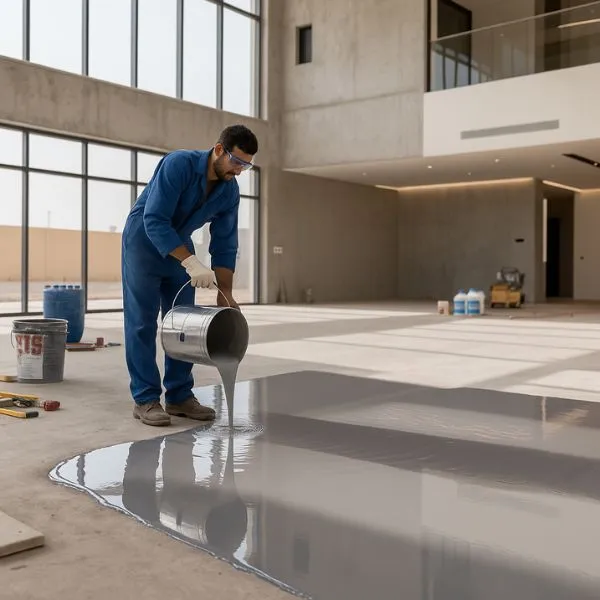
Most commercial spaces keep running while floors slowly lose strength under constant daily traffic pressure. Small chips and surface dullness usually appear first, but they rarely get immediate attention from staff. That is when interest in industrial epoxy flooring Corona CA begins to show up during maintenance discussions. The goal is often reducing downtime rather than chasing visual improvements alone. Ignoring early wear tends to increase repair scope without warning later.

Different business types need different surface performance levels.

Warehouses, workshops, and shops do not each have nearly the same requirements for flooring materials, sometimes in today’s work. The heavy machine requires stronger resistance compared to the lighter football visors found in commercial areas. Choosing between options like retail epoxy flooring Corona CA and industrial systems depends on usage patterns. A mismatch between flooring type and activity level leads to faster deterioration than expected. Evaluating usage first makes the selection process more practical overall.

Surface prep always takes longer than expected during projects.

Proper cleaning and sanding of concrete often takes longer than applying the coating. Any oil spots, dirt, unevenness, or patches should be taken care of before the epoxy sets nicely. Teams working on industrial epoxy flooring Corona CA usually focuses heavily on preparation stages. This effort directly affects how long the coating holds up under pressure. Skipping steps may not show issues immediately, but problems appear gradually after regular use resumes.

Moisture issues hide below the surface more often than assumed.

Even when concrete appears perfectly dry on the surface, it is capable of holding moisture within the concrete. Bonding is impeded by that moisture, particularly when coatings are applied without testing, first. Projects involving retail epoxy flooring Corona CA often includes moisture checks before installation begins. Failure to follow this may result in bubbles and peeling once the floor has been used. Moisture should be addressed at the initial stages, and this will decrease the rework.

Temperature and timing affect how epoxy behaves during curing.

Environmental conditions influence how epoxy spreads and sets across large surfaces during installation. The higher the temperature, the faster the curing process; and the lower the temperature, the slower the process becomes, but not evenly distributed over the floor. Managing this balance matters for both industrial epoxy flooring Corona CA and retail installations alike. Poor timing can create inconsistent finishes that affect both performance and appearance. Planning around stable conditions helps maintain uniform results across the entire space.

Maintenance stays simple when installation follows correct steps.

Epoxy floors are also associated with being less maintenance than untreated concrete floors. The sweeping and periodic cleaning will keep the surface functional without additional efforts. Businesses choosing retail epoxy flooring Corona CA often expect reduced maintenance needs over time. That expectation depends heavily on proper installation from the beginning stages. Maintenance routines alone cannot correct underlying issues caused by rushed or incomplete preparation.

Budget planning depends on timing more than material cost alone.

The postponed upgrades usually result in more comprehensive repairs that cause higher costs of the project later. By fixing wear at an early stage, smaller, easy-to-manage fixes can be done, rather than massive replacements. When the time to invest in industrial epoxy flooring Corona CA is right, it becomes easier to control the costs in the long run. The same can be applied to retail spaces where early intervention averts inconveniences in the busiest of business times. The future planning establishes more predictable schedules and budgets.

Conclusion

Choices of flooring in business premises tend to begin with minor issues that eventually become operation priorities. Another handy source to look over the options is evolveepoxy.com, where information and service are straightforward. The decision between industrial and retail epoxy flooring Corona CA will be based on the needs of usage, the quality of preparation, and time. Considering these aspects aids in sustaining performance without excessive complexities in the future. If you are planning a flooring upgrade, consult experienced professionals and move forward with a clear and practical approach.

0 comments
0 FacebookTwitterPinterestEmail

When people discuss showroom epoxy flooring Los Angeles, they think that it is merely about shine and looks, but that is half the story. The truth of the matter is that it is what is beneath and the manner of preparation that is more important than the result of a shiny surface that people anticipate. Los Angeles conditions are dust, change of temperature and traffic, and these elements slowly affect the properties of coatings. The initial appearance of the floor may seem ideal on the first day, but as time goes by, it might begin to show some flaws if the task of preparing the floor was not well done.

Preparation work feels boring, but it decides everything later

On the one hand, prior to the installation of showroom epoxy flooring Los Angeles, the concrete must be properly ground and cleaned, and in some cases, the repair work is easy to underestimate. Even though they may appear small at first sight, small cracks or oil stains can break the bonding. This is a time-consuming phase, and steps skipped normally result in peeling or bubbling after a few months.

Another test that goes unnoticed is moisture testing. It does not look important, though it can completely affect how the epoxy sticks over time.

Industrial spaces demand a different level of durability

When it comes to industrial epoxy flooring Los Angeles, the requirements change quite a bit compared to showroom settings. The flooring gets pushed extremely hard by heavy machinery, constant movement, and contact with chemicals, unlike with normal foot traffic. That implies it requires a heavier coating and more resistant materials.

Some facilities also require slip resistance or specific textures. These details are practical, not decorative, and they affect how the floor performs during daily operations.

Material options can feel confusing without context

Choosing between epoxy types for industrial epoxy flooring Los Angeles is not always straightforward because each option behaves differently under stress. Some formulas resist chemicals better, while others handle impact or abrasion more effectively. The wrong choice does not fail immediately, but it tends to wear unevenly.

In the case of showroom epoxy flooring Los Angeles, appearance is important, but durability is not to be disregarded. Ornamental flakes or metallic finishes appear attractive, but require appropriate sealing to endure.

Costs shift depending on hidden factors

People expect a simple price estimate for showroom epoxy flooring Los Angeles, though costs depend on preparation, material thickness, and labor effort. A smooth surface installation is quicker, while damaged concrete increases both time and expense. That part is often overlooked during planning.

The size of the space is a key factor when it comes to industrial epoxy flooring Los Angeles. Large spaces may be able to save on the per-foot price, but they must be well coordinated and time-consuming.

Maintenance is simple but not completely hands-off

Even tough finishes such as industrial epoxy flooring Los Angeles require a cleaning after some time to ensure performance. There can be dust, debris, and chemical spills that accumulate when not taken care of. Scheduling and light cleaning solutions normally ensure that the surface is functional.

In the case of showroom epoxy flooring Los Angeles, appearance becomes an issue of routine. This can be in the form of scratches or dim spots that develop with time, in places of high traffic.

Conclusion

Decisions on flooring may initially appear simple, but when the actual circumstances begin to have an impact on long-term performance, that is where risecoatings.com comes in, and people consider options. Learning how to prepare, what to expect in materials, and maintenance would assist in preventing future unwarranted rework. And in case you are intending to renovate your flooring, it is worth having professionals skilled in this area to examine your area and suggest an appropriate epoxy product.

1 comment
0 FacebookTwitterPinterestEmail

Enter a premium Las Vegas showroom or a remodeled garage in a house, and the flooring may be the first thing that is said. In a city as a city of bold impressions and toughness, surfaces are required to be as strong and as stylish. This paper describes how innovative concrete solutions can help in improving their durability, beauty and value in both residential and commercial buildings in the long run.

Las Vegas Climate Challenges

Temperatures in the Las Vegas deserts change radically in daytime and cooler evenings and put a strain on untreated concrete. Growth and shrinkage may provoke cracks and damage on surfaces over time. Investing in Concrete polishing Las Vegas. will enhance the slabs’ strength, besides resistance to dusting, wearing, and exposure to the environment.

Advantages Of Polished Surfaces

Contemporary Garage flooring Las Vegas. Polished concrete finishes, together with solutions, produce smooth, shiny surfaces that increase the lightness of the interiors. Polishing compacts the concrete, making it hard and less porous. This operation focuses on maintenance and gives a modern outlook that can be used in a retail shop, office, warehouse, and luxurious home decorations.

Enhancing Garage Functionality

Quality Concrete Polishing Las Vegas. cannot be done without great care in preparing the surface first. The grinding process eliminates the flaws, whereas the densifiers enter the slab to enhance the structural integrity. High-quality technicians are involved in strict polishing steps to give the desired gloss. The right technique is all that one needs in order to prolong the use of the item without it becoming dull or having an uneven shine due to high traffic.

Improving the function of the garage

Refurbishing Garage flooring Las Vegas. creates great functionality and beauty for the homeowners. Garage Durable coating avoids stains of oil, tire and chemical spills. Finishes of a textured type make them more resistant to slipping, which makes them safer. An installed garage floor will turn a neglected area into an orderly and tidy continuation of the house.

Long-Term Durability Benefits

Concrete Polishing Las Vegas. is a good choice because it offers durability in performance and requires little maintenance. Shine is kept with routine sweeps and periodic damp mopping with no special cures. Polished concrete, in discrepancy to other flooring substances, is not susceptible to moisture damage, peeling, or chipping. It is cost-effective as it is long-lasting and can be used by relations and landlords of properties that are in need of reliable surfaces.

Increasing Property Value Appeal

Contemporary Garage flooring Las Vegas. Installations help in the increase of property attractiveness and the possibility of future resale. Glossy finishes are clean and organized to leave a pleasant impression on the buyer and visitor. The individualized color choices and decorative finishing techniques enable one to personalize without compromising the sturdiness to enhance both visual and practical merits.

Conclusion

The long-term durability, aesthetic appeal and resistance to climatic changes in Las Vegas properties are assured through investment in professional concrete finishing solutions. Adequate preparation and quality craftsmanship enhance maximum performance and safeguard surfaces against environmental pressures. To the homeowners, as well as the businesses, in need of solid concrete transformation services, proshineconcreterestoration.com provides specialized knowledge that is geared towards sustainable quality and stunning outputs.

19 comments
0 FacebookTwitterPinterestEmail

A driveway caked in grime isn’t just ugly. Dirt and moss can slowly damage surfaces, making repairs expensive over time. Residents often overlook how buildup affects their home’s appeal. Cleaning isn’t just about looks. Power Washing Services in Franklin Lakes remove stubborn stains that regular cleaning can’t handle. The transformation is immediate. Surfaces look almost new. It’s more than cosmetic; it protects investments.

Protecting Home Exteriors Efficiently

Weather, pollution and daily use wear down walls and decks. Over time, algae and mildew make surfaces slippery and unsafe. Property owners discover that simple soap and scrubbing rarely work. High-powered equipment penetrates deep layers, restoring surfaces effectively. Pressure Washing Services in Franklin Lakes ensure that wood, stone and concrete maintain strength and longevity. It’s a fast solution that prevents costly damage. Sudden dirt removal is satisfying.

Commercial Areas Need Cleaning Too

Business spaces face heavy foot traffic and environmental stains. First impressions matter, yet many neglect exterior cleaning. Sidewalks, facades and parking areas accumulate grime fast. Professional Power Washing Services in Franklin Lakes tackle large areas with precision. The result is bright, inviting exteriors that appeal to clients. Cleaning isn’t a one-time task. Consistency keeps the property safe and appealing. Smell and stains vanish completely.

Driveways And Decks Revived Quickly

Oils, mud and moss are absorbed in outdoor surfaces such as the decks and the driveways. Hand washing is tiring and hardly effective. Decades of accumulation are washed out in a few minutes. In Franklin Lakes, Pressure Washing Services restore wood, concrete and stone surfaces. Individuals are also aware of the change. Clean and safe spaces promote outdoor activities. It is a fast and gratifying process. The flaws diminish through perseverance.

Seasonal Cleaning Prevents Long-Term Damage

Spring and fall are the seasons that are crucial in taking care of the exterior. Pollen, winter salt and leaves wear surfaces down. Most of the homeowners take a long time before acting. Structural problems are avoided with the help of professional cleaning. In Franklin Lakes, it is necessary to have power washing services to prolong the life of exterior surfaces. Eliminating dirt under the carpet increases the curb appeal immediately. Postponing makes issues only when it gets better. Prevention of future headaches is achieved through quick cleaning Vela Bay.

Eco-Friendly Options Now Available

Sustainable cleaning is becoming a priority. Traditional cleaning sometimes uses harsh chemicals that damage plants and soil. Modern techniques now combine water efficiency with powerful results. Pressure Washing Services in Franklin Lakes often include environmentally friendly detergents that remove grime safely. Surfaces are restored without harming the surroundings. Customers can enjoy clean, safe homes responsibly. Sudden change feels refreshing.

Conclusion

Maintaining exterior surfaces goes beyond aesthetics. Dirt, algae and stains compromise safety and property value. Engaging Power Washing Services in Franklin Lakes or Pressure Washing Services in Franklin Lakes offers long-term protection and instant visual appeal. Efficient cleaning prolongs the life of surfaces while boosting home and business impressions. Investing time in exterior maintenance always pays off. Clean spaces feel alive.

9 comments
0 FacebookTwitterPinterestEmail
Newer Posts