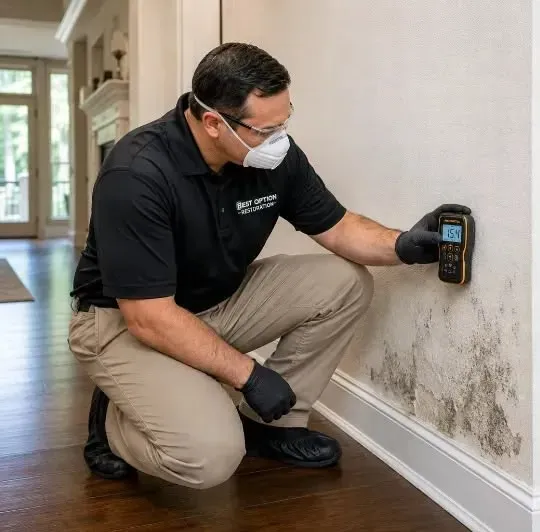
Discovering mold inside a rental property can create serious concerns for tenants. Dark patches on walls, persistent musty odors, and recurring moisture may indicate problems requiring professional attention. When landlords fail to address the underlying cause, residents may experience property damage, uncomfortable living conditions, and uncertainty about their rights.
In Los Angeles, California law establishes responsibilities for maintaining habitable rental properties. Understanding these obligations helps tenants recognize potential violations and take appropriate steps when problems remain unresolved.
Recognizing Mold Problems in Rental Homes
Mold commonly develops where moisture remains trapped. Bathrooms, kitchens, ceilings, and areas surrounding plumbing fixtures are particularly vulnerable when leaks or ventilation problems persist. Visible discoloration is one warning sign, but mold may also develop behind walls or beneath damaged flooring. Persistent dampness and unusual odors deserve attention, especially when they return after cleaning.
Identifying the moisture source is essential because removing visible mold without correcting the underlying problem may allow contamination to return.
Understanding California’s Habitability Requirements
California landlords generally have a responsibility to maintain rental properties in a condition fit for human occupancy. Serious moisture problems and qualifying mold conditions may violate applicable housing standards. Tenants experiencing unresolved problems can consult a los angeles habitability lawyer to understand whether their circumstances involve a potential legal violation.
However, not every instance of mold automatically establishes landlord liability. The seriousness of the condition, its cause, the landlord’s knowledge, and the response to reported problems can influence the legal assessment.
Reporting Mold Problems to Landlords
When tenants notice persistent moisture or suspected mold, they should notify the landlord promptly. Written communication provides a record of when the problem was reported. A maintenance request should describe affected areas, visible damage, and potential causes such as leaking pipes or water entering through windows.
Tenants should retain copies of emails, messages, and repair requests. They should also provide reasonable access for necessary inspections and repairs. The appropriate repair timeframe depends on the circumstances and applicable legal requirements.
Documenting Conditions and Property Damage
Reliable evidence can help establish how a mold problem developed and whether appropriate action was taken.
Useful documentation includes:
-
Dated photographs of mold and moisture damage.
-
Written maintenance requests and landlord responses.
-
Records of recurring plumbing leaks.
-
Receipts for damaged personal belongings.
-
Professional inspection reports when available.
-
Relevant medical documentation when appropriate.
Photographs should show both affected surfaces and surrounding areas.
Tenants should avoid disturbing extensive suspected contamination without suitable precautions. Professional assessment may be necessary when problems are widespread or concealed.
Understanding Health and Financial Concerns
Exposure to damp indoor environments and mold can be associated with respiratory irritation, allergies, and asthma-related symptoms in susceptible individuals. However, experiencing symptoms does not automatically prove that conditions inside a particular property caused them. Residents with health concerns should consult qualified healthcare professionals.
Moisture and mold may also damage furniture, clothing, carpeting, and other belongings. Preserving receipts and photographs can help document losses. Any legal claim involving personal injury or property damage requires evidence connecting the claimed losses to the relevant circumstances.
When Tenants Should Consider Legal Assistance
Some landlords address reported concerns promptly, while others dispute the severity of the condition or delay necessary repairs. A tenant mold lawyer can review documentation, explain California habitability requirements, and assess whether the circumstances support potential legal remedies.
Depending on the evidence, disputes may involve repair obligations, property damage, or other legally recognized losses. Tenants should avoid withholding rent, deducting repair expenses, or terminating a lease without first understanding the applicable legal requirements. These decisions can create additional problems when statutory conditions have not been satisfied.
Exploring Options for Unresolved Complaints
When repeated maintenance requests do not produce an appropriate response, tenants may consider contacting local housing enforcement authorities. Residents can seek guidance from the relevant Los Angeles city or county agency regarding inspection procedures and housing complaints.
An official inspection may help identify code violations, although it does not guarantee a particular legal outcome. Keeping records organized and obtaining professional advice can help tenants evaluate their options.
Conclusion
Mold problems in rental properties require careful attention, particularly when moisture persists and reported conditions remain unresolved. Written notices, reliable documentation, and appropriate inspections can help tenants understand their circumstances.
For Los Angeles renters seeking information about toxic mold and habitability disputes, mehdlaw.com provides resources concerning tenant rights and related legal matters. Understanding applicable requirements and seeking qualified guidance can help residents make informed decisions about their housing concerns.