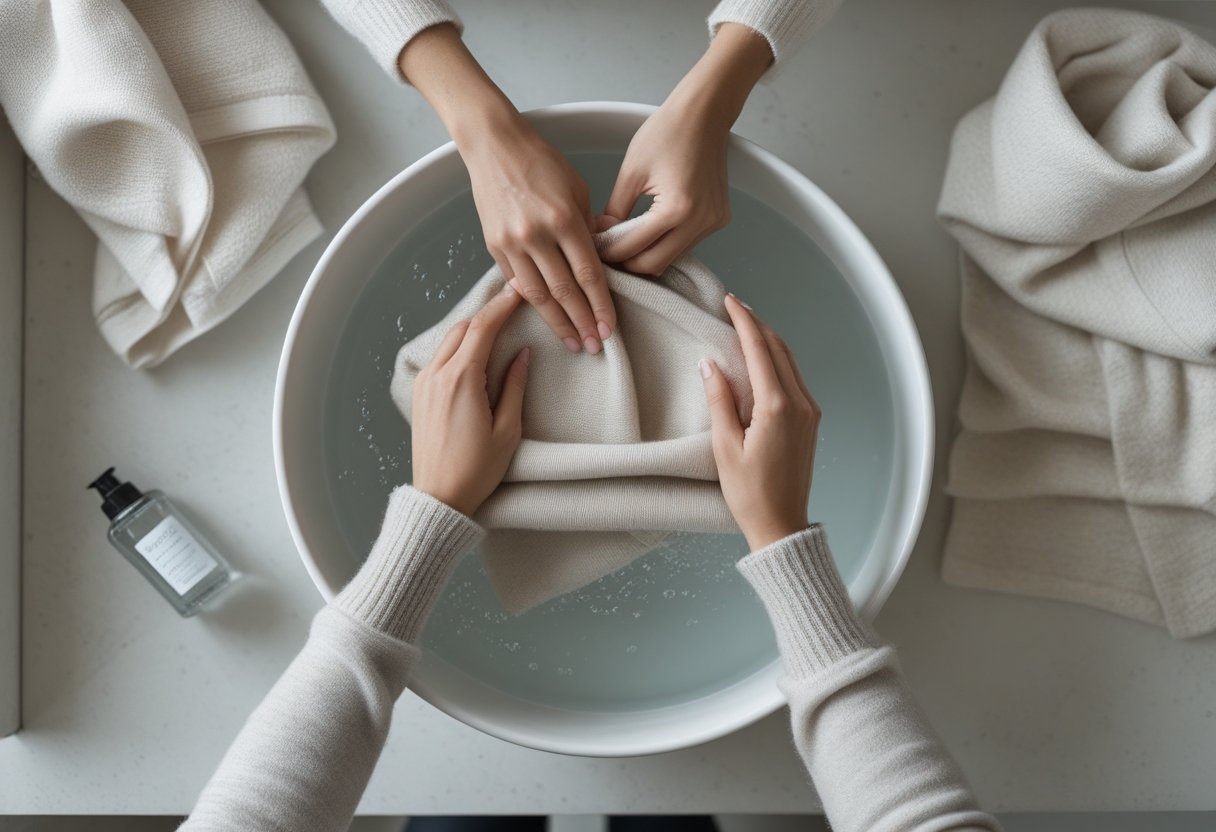
Laundry becomes complicated when a wardrobe contains everything from everyday cotton shirts to delicate sweaters and structured clothing. Treating every fabric the same way may seem convenient, but differences in fiber construction, detergent requirements, and drying methods can affect how long garments remain comfortable and presentable.
Understanding how to wash cashmere is particularly useful for anyone who owns delicate knitwear. However, caring for expensive garments is only one part of an effective laundry routine. Sorting clothes carefully, preparing a functional workspace, and choosing appropriate cleaning methods can make garment maintenance considerably easier.
Start With the Fabric, Not the Laundry Basket
The first decision should involve checking garment care labels rather than automatically selecting a washing machine setting. Clothing made from cotton, polyester, wool, silk, and linen responds differently to moisture, movement, and temperature. Even garments made from similar fibers may require different treatment because of their construction or finishing.
Separate items according to their care requirements before considering color and washing temperature. Delicate clothing may need handwashing or a gentle cycle, while heavily soiled workwear may require a more thorough cleaning process. This approach helps avoid unnecessary wear and prevents fragile garments from receiving treatments intended for durable fabrics.
Give Every Laundry Supply a Practical Place
An organized laundry area makes fabric care easier because everything needed for washing, treating stains, and drying is readily accessible. When detergent, stain removers, mesh bags, and drying equipment are scattered throughout the house, people often skip useful steps simply because the necessary supplies are inconvenient to find.
Learning how to organize laundry room storage can improve the entire process. Keep everyday products within easy reach, reserve separate containers for specialized detergents, and provide designated spaces for clothing awaiting treatment. Even a compact laundry closet can function efficiently when supplies are grouped according to their purpose.
Handle Stains Before They Become Difficult
Stain treatment works best when the cleaning method matches the substance involved. Grease, coffee, mud, and makeup do not respond equally to every household cleaner. Applying aggressive chemicals without checking fabric compatibility can create discoloration or damage that proves more difficult to resolve than the original stain.
Start by gently removing excess material without spreading the stain. Follow the garment’s care instructions and test unfamiliar products on a hidden area when appropriate. Avoid excessive scrubbing, particularly on knitted or delicate materials. Before machine drying, inspect the affected area because heat can make certain remaining stains harder to remove.
Understand Why Drying Methods Matter
Many clothing problems develop after washing rather than during the cleaning cycle. High temperatures, excessive tumbling, and incorrect hanging methods can cause shrinkage, stretching, or changes in fabric texture. A garment that emerges from the washer in good condition may still lose its intended shape during drying.
Air drying is often helpful for delicate clothing, although the correct method depends on fabric construction. Heavy knitwear generally benefits from being laid flat on a suitable surface, while some lightweight garments can be hung carefully. Always check care labels before using heated drying equipment or exposing clothing to prolonged direct sunlight.
Build a Routine That Prevents Unnecessary Washing
Not every garment needs laundering immediately after a brief period of use. Washing frequency should reflect fabric type, hygiene requirements, activity level, and visible soil. Overwashing can contribute to fading and wear, while postponing necessary cleaning can allow odors and stains to become more persistent.
Consider airing suitable outer garments between wears, brushing surface debris from appropriate fabrics, and storing clean clothing in well-ventilated spaces. Establishing separate routines for everyday basics, workout clothing, and specialty garments reduces guesswork. It also encourages more thoughtful use of water, detergent, and household energy.
Make Clothing Maintenance Manageable
A successful laundry system does not require expensive equipment or complicated rules. It depends on understanding fabrics, keeping cleaning supplies accessible, and applying consistent practices that protect clothing without making ordinary household tasks unnecessarily demanding.
Readers exploring practical garment-care strategies can find additional household guidance through edgabicated.com. The most useful improvement is often a simple routine that makes careful clothing maintenance a natural part of everyday life.