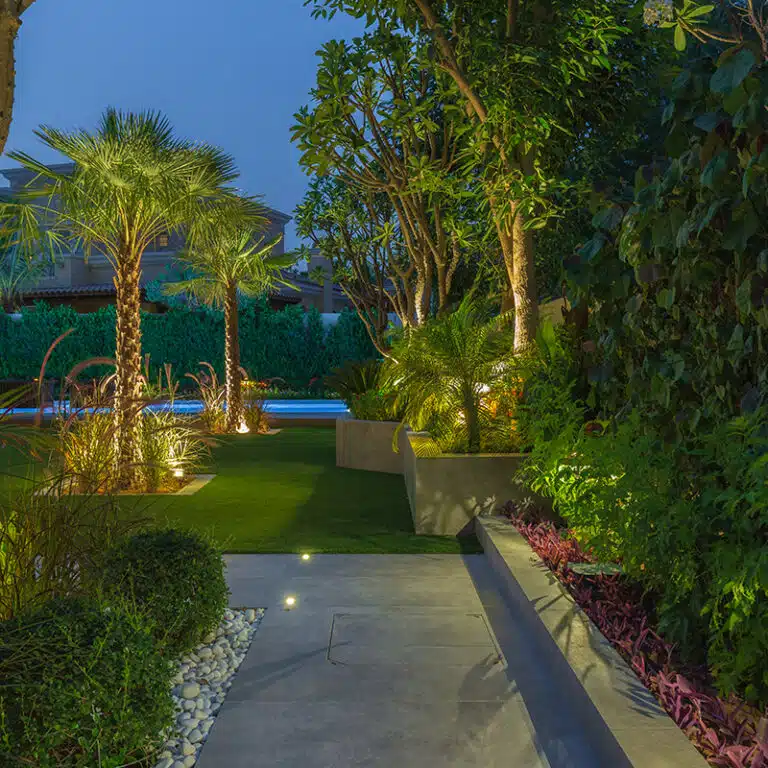
Hardscape materials play a major role in how a villa garden looks, feels, and performs over time. In Dubai, outdoor surfaces must cope with strong sunlight, high temperatures, dust, water exposure, and frequent use, especially around swimming pools and entertainment areas.
Choosing materials only for appearance can lead to problems later. A better approach is to consider comfort, durability, maintenance, safety, and how each finish works with the rest of the landscape. Thoughtful material selection can make the entire outdoor space feel more consistent and practical.
Start With the Function of Each Area
Different parts of a garden have different requirements. A pool deck may need a surface with suitable grip, while a dining terrace may need something easy to clean and comfortable for regular foot traffic. Experienced landscaping companies in dubai can help homeowners match materials to the way each outdoor zone will be used. Pathways, seating areas, entrances, and garden borders do not necessarily need the same finish.
The aim should be to choose surfaces that suit each function while still creating a visually connected design across the property.
Consider Heat and Comfort Underfoot
Outdoor materials can respond differently to direct sunlight. Some surfaces may become uncomfortable underfoot during warmer parts of the day, especially where people walk barefoot near a swimming pool. Colour, texture, finish, and exposure should all be considered before making a final choice. Shaded areas may allow greater flexibility, while heavily exposed surfaces may require more careful selection.
Homeowners should also think about where people are likely to pause or spend time. A material that works well on a rarely used pathway may not be suitable for a poolside lounge or children’s activity area.
Keep Poolside Surfaces Practical
Pool surrounds need to handle water, cleaning, and regular movement. A polished appearance is not enough if the surface becomes difficult to use when wet. When reviewing swimming pool companies in dubai, homeowners can discuss pool coping, deck materials, drainage, and how the pool edge will connect with nearby terraces or pathways.
The most successful poolside areas often use a limited number of finishes. This helps the water remain the main visual feature while keeping the surrounding space cleaner and less visually busy.
Use a Consistent Material Palette
Using too many different materials can make a villa garden feel fragmented. Paving, wall finishes, steps, pool coping, and decorative surfaces should complement one another even if they are not identical. A limited palette can create a stronger sense of continuity between the villa and the garden. Similar tones or textures can be repeated across different zones to connect spaces naturally.
Consistency also makes future updates easier. If a damaged area needs repair or an additional pathway is added later, working within an established material scheme can help preserve the overall design.
Think About Maintenance Before Installation
Every outdoor surface requires some level of care. Dust, water marks, stains, and everyday wear can affect how materials look over time, particularly in high-use areas. Homeowners should consider how often a surface may need cleaning and whether maintenance will be practical. Highly detailed finishes may look attractive initially but could demand more attention than simpler options.
Accessibility matters as well. Areas around drains, irrigation points, and service routes should remain easy to reach so routine maintenance can be carried out without disturbing large sections of paving.
Balance Hardscape With Planting
Too much paving can make an outdoor space feel harsh, while too much planting may reduce useful living space. A balanced mix usually creates a more comfortable and attractive garden. Planting beds can soften terraces and pathways, while trees and shrubs can provide shade around seating areas. Ground-level greenery can also help break up large expanses of hard surface.
The proportions should reflect how the garden is used. A family that entertains often may need more paved space, while another household may prefer a greener setting with smaller seating areas.
Plan Drainage and Transitions Carefully
Changes between pool decking, pathways, lawns, and planted areas should be designed carefully. Uneven transitions can affect both appearance and everyday movement. Drainage is equally important because water should not collect unnecessarily around seating areas or frequently used routes. The levels of different surfaces need to work together from the beginning. Good planning can make these transitions feel almost invisible. When materials, levels, and edges are coordinated correctly, the entire outdoor area appears more polished and easier to use.
Conclusion
Choosing hardscape materials for a Dubai villa requires more than selecting attractive colours or finishes. Heat, water exposure, comfort, maintenance, drainage, and everyday use should all influence the decision. By matching materials to each outdoor zone and maintaining a consistent palette, homeowners can create a garden that feels connected, practical, and refined. A balanced combination of hardscape and planting can also improve comfort while helping the outdoor space remain manageable over time.