The Manaslu Tsum Valley Trek is one of Nepal’s most extraordinary off-the-beaten-path trekking experiences. Located in the northern part of the country, this hidden valley offers trekkers pristine natural landscapes, ancient monasteries, and a unique Tibetan-influenced culture. Unlike the popular Annapurna or Everest trails, the Tsum Valley remains remote and relatively untouched, giving adventurous travelers a sense of solitude, authenticity, and connection with the mountains and local communities.
For those looking to combine adventure, culture, and breathtaking Himalayan scenery, the Manaslu Tsum Valley Trek is an unmatched journey into one of Nepal’s most sacred and scenic regions.
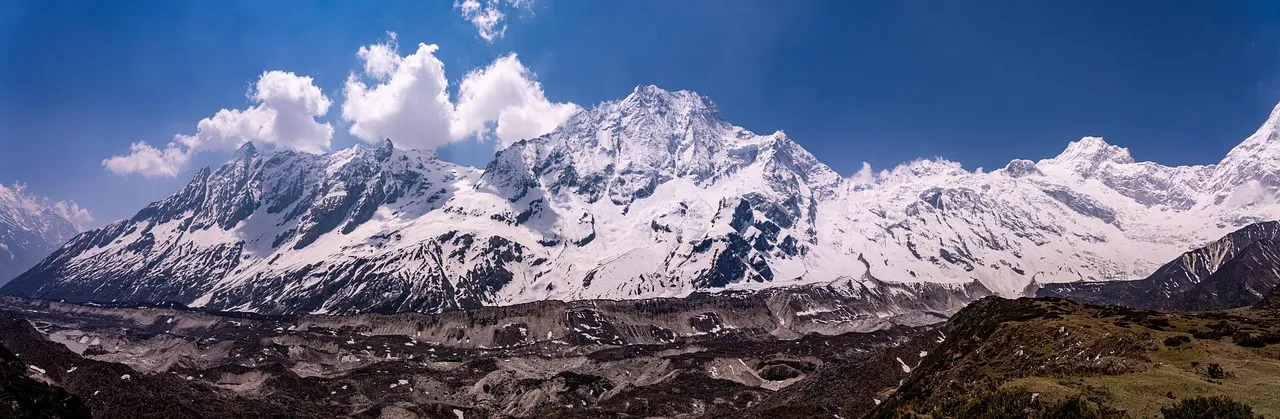
Overview of the Manaslu Tsum Valley Trek
The Tsum Valley lies in the northern region of the Manaslu Conservation Area, adjacent to the Tibetan border. Known for its spiritual significance and rich cultural heritage, it is often called the “hidden valley of Nepal.” Only recently opened to trekking, it is considered a restricted area, requiring special permits and a licensed guide for visitors.
The trek begins from Soti Khola or Arughat, gradually ascending through lush subtropical forests, terraced farmlands, and traditional villages. Along the route, trekkers are treated to views of snow-capped peaks such as Ganesh Himal, Himalchuli, and Boudha Himal, as well as pristine rivers, waterfalls, and alpine meadows. The valley’s remoteness ensures that trekkers enjoy an authentic Himalayan experience, away from crowded trails.
Why Choose the Manaslu Tsum Valley Trek?
1. Pristine Natural Beauty
The Tsum Valley is surrounded by towering Himalayan peaks, glacial streams, and dense forests. Trekking here provides views of untouched landscapes, making it perfect for nature lovers and photographers. The diverse terrain—from lush valleys to alpine passes—offers a constantly changing visual experience.
2. Rich Cultural Heritage
The valley is home to Tibetan-speaking Buddhist communities. Ancient monasteries, chortens, mani walls, and prayer flags adorn the trail, providing a deep cultural and spiritual context to the journey. Trekkers have the opportunity to interact with locals, observe traditional ceremonies, and learn about a culture that has remained largely unchanged for centuries.
3. Off-the-Beaten-Path Adventure
Compared to the Everest and Annapurna regions, the Tsum Valley is sparsely visited. This solitude allows trekkers to experience the Himalayas without crowds, offering a sense of tranquility and intimacy with nature.
4. Spiritual Significance
The valley is considered sacred, and many locals believe that it has protective spiritual energy. Visiting Mu Gompa and other monasteries allows trekkers to witness Buddhist rituals and experience the serene spiritual atmosphere of the Himalayas.
Typical Itinerary
A standard Manaslu Tsum Valley Trek usually takes 12–16 days, depending on pace and acclimatization:
-
Day 1–2: Arrival in Kathmandu and Preparation
Obtain permits, organize equipment, and meet your trekking guide. -
Day 3–5: Soti Khola to Jagat
Trek through terraced farmland, rivers, and forests, gradually ascending while adjusting to higher altitudes. -
Day 6–8: Entering Tsum Valley
Walk through Chhekampar and Chhekam villages, enjoying traditional homes and Buddhist shrines. -
Day 9–11: Mu Gompa and Nile
Explore remote monasteries, interact with local monks, and enjoy panoramic Himalayan views. -
Day 12–14: Return to Soti Khola/Arughat
Retrace the trail or continue on the extended Manaslu Circuit depending on the chosen itinerary.
Difficulty Level and Fitness
The trek is considered moderate to challenging. While it is less physically demanding than the full Manaslu Circuit, trekkers still need good stamina and basic trekking experience. The highest points reach around 3,700 meters, so proper acclimatization is essential to prevent altitude sickness.
Daily trekking hours usually range from 4 to 6 hours, with gradual altitude gains and occasional steep ascents. Good physical preparation, mental endurance, and appropriate gear are crucial for a comfortable trek.
Best Time to Trek
The ideal periods for the Manaslu Tsum Valley Trek are spring (March–May) and autumn (September–November). During these seasons, weather conditions are stable, skies are clear, and mountain views are spectacular.
Winter is possible but challenging due to cold temperatures, while the monsoon season (June–August) is generally avoided because of heavy rainfall and landslides.
Accommodation and Meals
Accommodation along the trail consists mainly of teahouses, offering basic but comfortable lodging. Rooms typically have twin beds, and bathrooms are shared. Hot showers may be available in lower villages, while higher villages have limited facilities.
Meals include local Nepali dishes such as Dal Bhat, noodles, momos, soups, and tea. High-calorie snacks like chocolate, energy bars, and dry fruits are recommended for long trekking days.
Trekking Permits
Because the Tsum Valley is a restricted area, trekkers must obtain the following permits:
-
Manaslu Restricted Area Permit
-
Manaslu Conservation Area Permit (MCAP)
Guides are mandatory for the trek, ensuring safety and adherence to local regulations while supporting sustainable tourism.
Cost of the Trek
The cost of a guided Manaslu Tsum Valley Trek typically ranges from USD 1,200 to USD 2,000 per person, depending on group size, services, and itinerary. This usually includes permits, guide and porter fees, accommodation, meals, and transportation.
Despite being more remote and expensive than some mainstream treks, the value lies in the unique experience, cultural immersion, and unparalleled natural beauty.
Who Should Consider This Trek?
The Manaslu Tsum Valley Trek is ideal for:
-
Adventurers seeking off-the-beaten-path routes
-
Cultural enthusiasts interested in Tibetan Buddhist heritage
-
Photographers and nature lovers
-
Moderate to experienced trekkers looking for solitude and authenticity
Responsible and Sustainable Trekking
Trekkers should minimize environmental impact by carrying reusable water bottles, avoiding plastic waste, and respecting local customs. Choosing licensed guides and community-run lodges contributes to sustainable tourism and supports local communities.
Conclusion
The Manaslu Tsum Valley Trek is a hidden gem for those seeking a blend of natural beauty, cultural immersion, and spiritual tranquility. Its remote location, Tibetan Buddhist heritage, and untouched Himalayan landscapes make it a truly unique trekking experience. For travelers eager to escape crowded trails and connect deeply with nature and culture, the Manaslu Tsum Valley Trek offers an unforgettable adventure into one of Nepal’s most sacred and scenic valleys.